Storm damage to your roof? How Ontario insurance claims actually work
Every GTA storm season we get the same call: shingles in the driveway, a wet patch on the ceiling, and a homeowner who isn't sure whether to phone their insurer or a roofer first. Severe weather isn't getting rarer — the Insurance Bureau of Canada put insured losses across the country at more than $2.4 billion in 2025, with the late-March ice storm that hit Ontario and Quebec the single costliest event of the year at roughly $466 million. This is what we've learned helping homeowners through these claims, written plainly and without the sales pitch.
The one distinction that decides everything
Ontario home policies are built to cover damage that is sudden and accidental. They are not built to cover wear, age, or deferred maintenance. Almost every approved or denied roof claim comes down to which side of that line an adjuster puts your roof on.
| Usually covered | Usually excluded |
|---|---|
| Shingles lifted or torn off in a windstorm | Shingles that curled and failed with age |
| Hail bruising, dents and granule loss from a dated storm | Granule loss from years of sun exposure |
| A tree limb or wind-blown debris punching the deck | Slow leaks around old flashing |
| Collapse or structural failure from extreme snow load | Moss, rot and general neglect |
| Lightning and fire damage | Damage the insurer says you should have fixed already |
General patterns in Ontario policies — your own wording governs. We're roofers, not insurance advisors; confirm anything important with your broker.
A useful way to hold it: a twenty-year-old roof that loses shingles in a 90 km/h gust is typically a covered loss. That same twenty-year-old roof leaking because the shingles are simply finished is typically not. Same roof, same age — different cause.
Replacement cost vs. actual cash value
This is the clause that surprises people most, and it's worth reading on your own policy tonight rather than after a storm.
- Replacement cost pays to put a new roof back, regardless of how old the old one was.
- Actual cash value (ACV) pays replacement cost minus depreciation. On an aging roof that can cut the payout dramatically — a heavily depreciated roof can settle for a fraction of what the work actually costs, leaving you to fund the gap.
Some policies also step down roof coverage to ACV once the roof passes a certain age. If yours does, that's a real argument for replacing before the clock runs out rather than after.
What to do in the first 48 hours
- Take photos before you touch anything. Wide shots of the house, close-ups of the damage, the debris on the ground, and any interior staining. Timestamps matter.
- Make temporary repairs, not permanent ones. Most policies expect you to prevent further damage — tarping, a bucket under a drip, moving furniture. Keep the receipts. Don't do the full repair before the adjuster has seen it.
- Report it promptly. Policies require notice without unnecessary delay, and there are firm deadlines further down the line for submitting a formal proof of loss and for taking legal action if a claim is denied. Those windows are shorter than most people assume. Ask your broker for the exact dates in writing.
- Get an independent inspection. A written report from a roofer, with photos and a line-by-line scope, gives the adjuster something concrete to price against. Hail bruising in particular is easy to miss from the ground.
- Write down the storm. Date, time, wind speeds, whether Environment Canada issued a warning. Claims for undated damage are much harder to argue.
Be careful who knocks on your door
Crews follow storms. After a big GTA hail or wind event you'll get door-knockers offering to "handle the whole claim" and waive your deductible. Waiving a deductible isn't a favour — it's usually padded back into the invoice, and it puts you in an awkward spot with your insurer. Our advice is simple: don't sign anything on your porch. If you do sign a contract at your home rather than at a business premises, Ontario's Consumer Protection Act generally gives you a 10-day cooling-off period to cancel a direct agreement in writing — worth knowing, though it's much easier to just not sign.
Ask instead for the basics: a local address, WSIB clearance, proof of liability insurance, Working at Heights training, and two references from this year. We carry all of those and will send them before you ask.
What if the claim is denied?
Denials are often about evidence, not principle. If the adjuster's report says "wear and tear" and your roofer's inspection says "wind uplift along the south slope, twelve tabs displaced, consistent with the June 12 event," you have grounds to ask for a review. You can request the adjuster's report, provide a second opinion, escalate to the insurer's complaints officer, and if it still isn't resolved, raise it with the General Insurance OmbudService. Keep everything in writing.
Skylights, storms and the part people forget
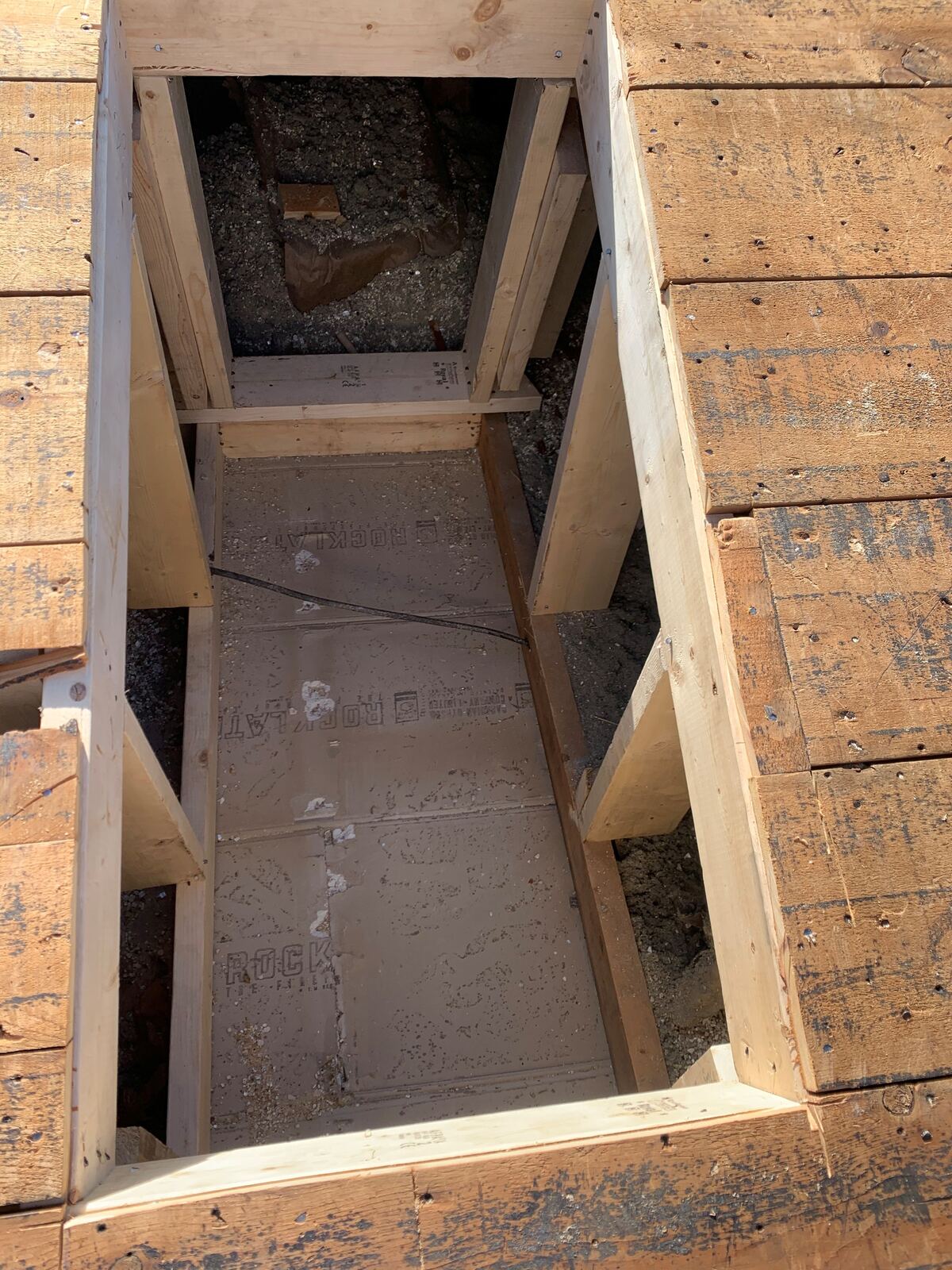
Skylights take the same weather as the rest of the roof and show it sooner. After a hail or ice event, the glass usually survives; the flashing and the curb often don't. If your claim is being priced for a re-roof, make sure skylight flashing kits and any curb rebuilding are in the scope rather than treated as an upgrade you pay for separately. It's much cheaper to do that work while the roof is already open.
Get an honest look at the damage
We inspect storm damage across the GTA and give you a written, photographed report you can hand straight to your adjuster — whether or not the work comes to us. Book a free inspection, or if you're mainly trying to budget for a replacement, our Customize Your Roof tool will measure your roof on satellite and give you a range in a couple of minutes.